Ever wonder why dogs pant like they just ran a marathon? Is panting normal for dogs or are there some serious health conditions for this behavior?
Panting is when your dog does that rapid, shallow breathing with their mouth wide open. It’s their natural behavior to cool off because, unlike us, they don’t sweat all over. Instead, they lose heat through their tongue, mouth, and lungs.
But sometimes, it can also be a red flag for something more serious including heatstroke, respiratory disease, anemia, Laryngeal paralysis, etc.
As a dog parent, knowing the difference between “just chilling’” panting and “help me, human” panting is key to keeping your dog in optimal health.
So, let’s read the details why dogs pant, how to chill out a panting pup, and when it’s time to hit up the vet. By the end of this, you’ll be a pro at decoding your dog’s panting behavior and keeping them happy and healthy.
Common Causes – Why Dogs Pant
Heat and Exercise = Panting Dog
Environmental heat and exercise are the most common reasons for why dogs pant. When your pup is running around playing fetch or just enjoying a sunny day, their body heats up. To cool it down, they breathe rapidly with their mouths open. This helps evaporate moisture from their tongue, mouth, and lungs. But, don’t worry, it is important after exercise or during hot weather to cool them down.
However, if the panting seems excessive or doesn’t stop even after they’ve rested, it could be a sign of heatstroke. Halt all activities and provide your dog with plenty of fresh water and a cool, shady spot to relax. Call your vet and update all the symptoms. Keep observing your dog until panting becomes normal.
Pro Tip: If the weather’s too hot, limit outdoor activities to early mornings or evenings when it’s cooler.
Remember panting is dogs’ built-in method of cooling off, and after playtime or in warm weather it is normal. But as a pet parent, staying aware of your dog’s limits and keeping them comfortable is key to their health and happiness.
Stress and Anxiety Triggers Panting in Dogs
Have you ever noticed your dog panting during a thunderstorm, fireworks, or even when you’re about to leave the house? Unlike panting from heat or exercise, this type of panting often comes with other clues—like pacing, whining, or hiding.
Panting because of stress or anxiety is your dog’s way of saying, “I’m not okay right now.” Since dogs can’t tell us how they’re feeling, so they use body language to communicate. Panting, especially when it’s not hot or after physical activity, is one way they show they’re uneasy. Loud noises, changes in routine, or being left alone are common triggers.
To help your pup, try creating a calm environment. For example, during storms or fireworks, close the curtains and play soothing music. If they struggle with separation anxiety, gradual training and comforting items like a favorite toy or blanket can make a big difference. In addition, try a few natural remedies like calming essential oils ( lavender and chamomile) and supplements.
Focusing on their behavior and providing comfort in stress-induced panting can help them feel safer and more secure.
Pain or Discomfort – Hidden Reason Why Dogs Pant
If your dog starts panting out of the blue and seems off — like they’re restless, lethargic, or not acting like themselves — it could be a sign they’re in pain. Panting is one way dogs communicate discomfort, almost like they’re saying, “Hey, something’s not right here.”
Pain-related panting often comes with other symptoms. For example, they might whine, limp, avoid certain movements, or even lose their appetite. Common causes include injuries, arthritis, dental issues, or internal problems like stomach pain.
Don’t neglect and observe these signs. If the panting persists or you notice other worrying behaviors, it’s time to consult your vet. Early detection can make a big difference in managing their pain and keeping them comfortable.
Remember, sudden or unexplained panting, especially when paired with unusual behavior, is a red flag. Your dog relies on you to notice when something’s wrong, so don’t hesitate to seek help if you suspect they’re hurting.
Respiratory Issues a Leading Cause of Dog Panting
If your dog is panting heavily for a long time and showing signs like coughing, wheezing, or struggling to breathe, it could point to a respiratory issue. Conditions like asthma, pneumonia, or problems with the larynx (voice box) can make it hard for your dog to breathe normally. In severe cases, you might even notice a bluish tint to their gums or tongue, which means they’re not getting enough oxygen.
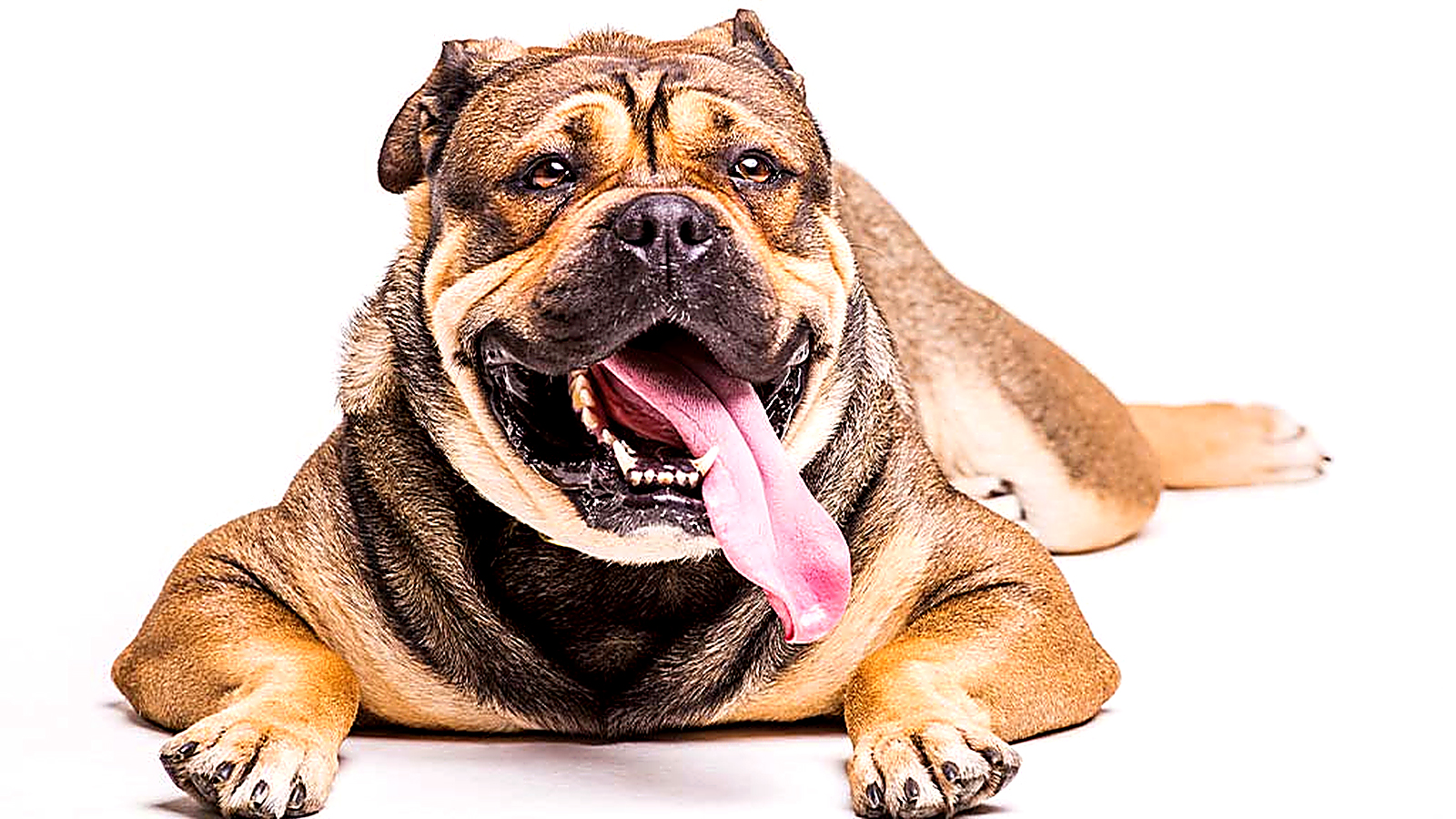
Brachycephalic breeds — think pugs, bulldogs, and Frenchies — are especially at risk because of their short snouts and compact airways. Their unique anatomy makes breathing harder, especially in hot weather or during exercise.
If you notice any of these symptoms, don’t wait. Respiratory issues can quickly become serious, so it’s important to call your vet right away. They can diagnose the problem and create a treatment plan to help your dog breathe easier.
Heart Problems Make Dogs Pant
Excessive panting in dogs, even when resting, could be a sign of heart problems. When the heart isn’t pumping blood effectively, the body compensates by increasing the breathing rate, which leads to heavy panting. This is the body’s way of getting more oxygen to vital organs.
Along with panting, you might notice other symptoms like lethargy, coughing, or even fainting. These signs can indicate conditions such as congestive heart failure or other cardiovascular issues.
A vet can diagnose heart disease through physical exams, X-rays, or ultrasounds. If your dog is panting heavily and persistently, especially without an obvious reason like heat or exercise, don’t wait. Schedule a vet appointment to rule out or address potential heart issues.
Since heart problems can worsen over time, early detection and acting quickly can help your dog get the care it needs to stay healthy and comfortable.
Dog Panting = Result of Medications Side Effects
Certain medications can cause your dog to pant more than usual. They can disrupt things like breathing and body temperature. For example, steroids may increase thirst and panting, while pain medications can sometimes cause restlessness or rapid breathing.
If your dog starts panting heavily after beginning a new medication, it’s worth noting. While it might not always be serious, it’s important to observe them. Other signs to watch for include changes in behavior, appetite, or energy levels.
Always consult your vet if you notice unusual panting after starting a new prescription. They can adjust the dosage or suggest an alternative.
Medication-related panting is often manageable, but staying alert and communicating with your vet ensures your dog stays safe and calm.
How to Calm a Panting Dog
First, identify why your dog is panting. If it’s hot, move them to a cooler spot and provide fresh water. For stress, create a calm environment with gentle petting or soothing music. Energetic dogs may benefit from light exercise to relax.
If panting is because of pain, contact your vet immediately. These small steps can make a big difference and help keep them calm, cool, and healthy.
When Should You Worry about Dog Panting
Heavy panting for extended periods, or panting without an obvious reason can signal a problem. For example, panting in cool weather or when your dog seems restless or anxious may point to an underlying issue.
Similarly, if your dog appears lethargic and breathes heavily, it’s a powerful indicator that they need medical attention.
Sudden changes in behavior, signs of pain, or panting that continue even after resting and cooling down are red flags.
In such cases, contact your vet promptly. Persistent panting without improvement also needs a professional check-up to rule out serious conditions.
Final Words
Panting is more than just a quirky dog behavior—it’s a window into their health and emotions. From cooling off after a game of fetch to signaling stress, pain, or even serious health issues, your dog’s panting can tell you a lot if you know what to look for.
As a dog parent, learning why dogs pant is important. Normal panting after exercise or on a warm day? Totally fine. But heavy, unexplained, or persistent panting? That’s your cue to dig deeper. Whether it’s providing a cool drink, creating a calm space, or calling the vet, your actions can make all the difference in keeping your dog happy and healthy.
So, the next time your dog starts panting, you’ll know exactly what’s up. Remember, understanding their needs isn’t just about being a good owner — it’s about being their best friend.