Cat litter is an essential product for millions of cat owners worldwide. It ensures hygiene, minimizes odors, and provides a comfortable space for your feline friends to relieve themselves. As a cat owner, understanding the various types of cat litter and their benefits can help you choose the most suitable option for your cat’s health and your household needs. This comprehensive guide explores the different types of cat litter and highlights the reasons why using cat litter is crucial for both cats and owners.
Understanding the Basics of Cat Litter
Cat litter is designed to absorb and contain a cat’s waste, keeping your home clean and odor-free. Traditionally made from materials like clay, cat litter has evolved significantly, with newer options offering enhanced absorbency, reduced tracking, and better odor control. While most cat litters serve the same basic purpose, each type offers unique features tailored to different needs and preferences.
Types of Cat Litter
- Clumping Clay Litter
Clumping clay litter is one of the most popular choices among cat owners. Made from bentonite clay, it absorbs moisture and forms solid clumps when wet, making it easy to scoop out waste. This type of litter is ideal for households with multiple cats, as it helps maintain a clean and fresh environment.
- Non-Clumping Clay Litter
Another widely used option is non-clumping clay litter, made from absorbent clay materials like sepiolite or attapulgite. Although it doesn’t form clumps, it provides excellent absorption and is often more affordable than clumping varieties. To maintain cleanliness, the entire litter box must be regularly replaced.
- Silica Gel Litter
Silica gel litter, composed of tiny beads or crystals, is known for its superior odor control and moisture absorption. It requires less frequent changes than traditional clay litter and produces minimal dust, making it a great option for cats or owners with respiratory sensitivities.
- Biodegradable Litter
Biodegradable litter is an eco-friendly alternative to natural materials such as wood, corn, wheat, or recycled paper. This type of litter is compostable and ideal for environmentally conscious pet owners. Additionally, it is gentle on a cat’s paws, making it suitable for kittens or older cats.
- Pine Litter
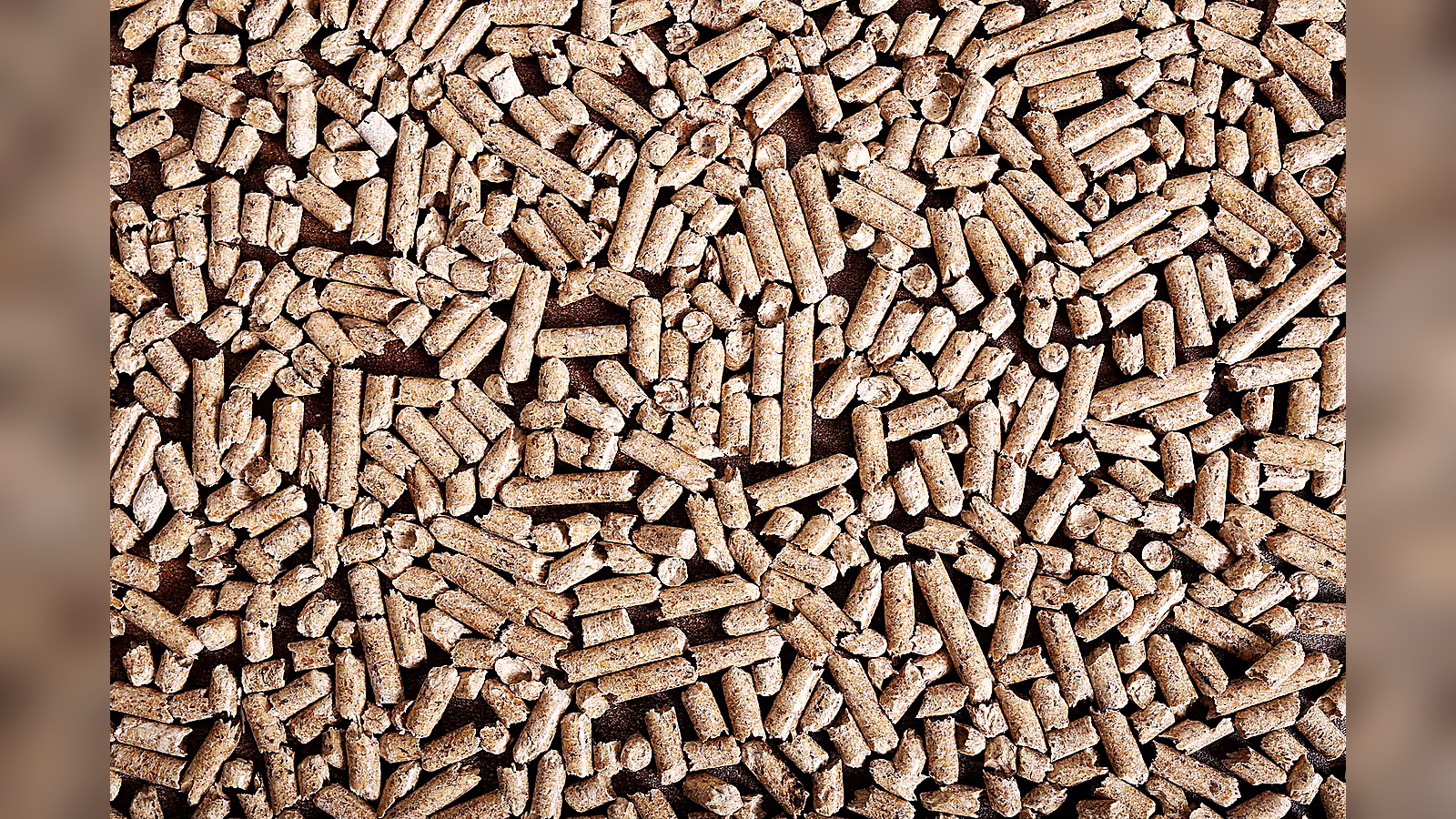
Pine litter is another natural option made from compressed pine wood. It has a fresh, woody scent that helps mask odors and is biodegradable. Pine litter is often available in pellet or granule form and works well for cats with sensitive noses or those transitioning from outdoor to indoor living.
- Recycled Paper Litter
Recycled paper litter, typically found in pellet or crumbled form, is soft and non-abrasive. This type of litter is lightweight and highly absorbent, making it suitable for cats recovering from surgery or with paw injuries. It is also dust-free, providing a cleaner and healthier environment.
- Corn Litter
Corn-based litter is gaining popularity due to its excellent clumping ability and natural odor control. Made from ground corn kernels, it is biodegradable and flushable, providing a convenient disposal option for pet owners. Corn litter also has a soft texture, making it comfortable for cats to use.
Benefits of Using Cat Litter
- Odor Control
One of the primary reasons for using cat litter is its ability to control odors. High-quality cat litter absorbs moisture and neutralizes ammonia odors, keeping your home smelling fresh and clean. Some types of litter, like silica gel and clumping clay, are specifically designed to trap odors for extended periods.
- Hygiene and Cleanliness
Cat litter helps maintain a hygienic environment by containing waste and preventing it from spreading throughout your home. Regular scooping and replacement of litter minimize the risk of bacteria and unpleasant smells, ensuring a healthier living space for both you and your pet.
- Easy Maintenance
Modern cat litters are designed for convenience, offering features like clumping, low dust, and minimal tracking. These qualities make it easier for owners to clean and maintain the litter box, saving time and effort. Additionally, some litter, such as biodegradable options, offer eco-friendly disposal methods.
- Encourages Litter Box Use
Providing the right type of litter can encourage your cat to use the litter box consistently, reducing the likelihood of accidents around the house. Cats are naturally drawn to textures and scents that feel comfortable, so selecting a litter that suits your cat’s preferences is essential.
- Comfort for Cats
The right litter ensures a comfortable experience for your cat. Soft, natural materials like recycled paper or corn litter are gentle on sensitive paws, while certain litters provide a more natural feel, replicating outdoor environments.
- Environmental Benefits
Eco-conscious cat owners can opt for biodegradable litters, which are made from renewable resources and decompose naturally. These litters help reduce landfill waste and minimize your pet’s environmental impact.
How to Choose the Right Type of Litter
Choosing the right cat litter depends on several factors, including your cat’s preferences, your household needs, and any specific health considerations. For instance, if your cat has allergies, a dust-free option like silica gel or recycled paper litter may be the best choice. For multi-cat households, clumping clay litter can simplify maintenance by making it easy to scoop out waste. Always consider factors like absorbency, odor control, and ease of cleaning when selecting a litter.
Tips for Maintaining a Cat Litter Box
To get the most out of your cat litter, it’s important to maintain the litter box properly. Scoop out waste daily to keep the litter box clean and odor-free. Depending on the type of litter, replace the entire contents of the box every 1-2 weeks. Wash the litter box with mild soap and water during each complete litter change to prevent bacteria buildup. Additionally, consider placing the litter box in a quiet, accessible location to ensure your cat feels comfortable using it.