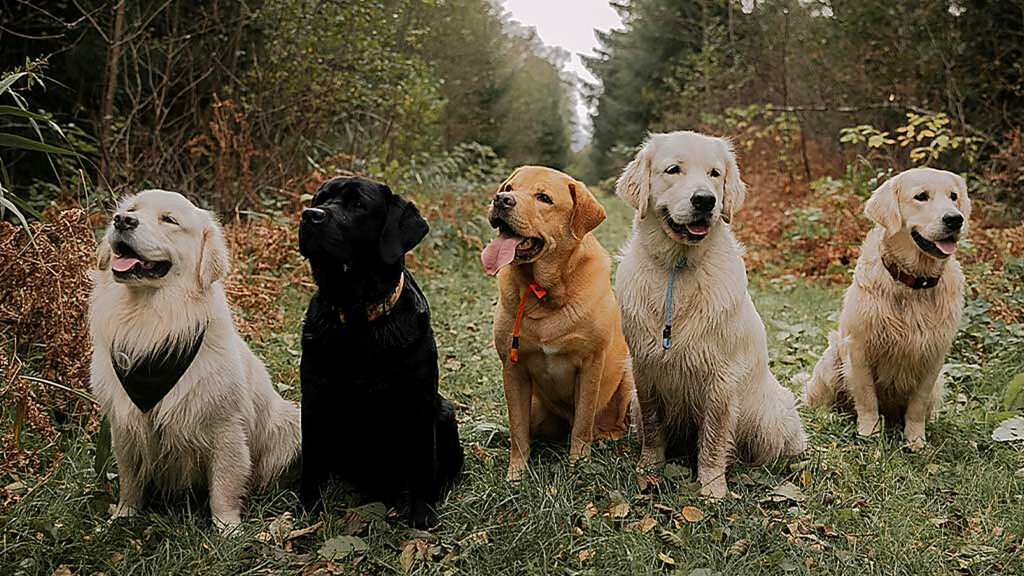

Why do dogs bark? The simple answer to this question is that dogs bark to communicate, and their barking is a natural behavior. But do their vocalizations have implicit meanings? Yes, and we need to understand how to translate them without rebuking them. For this, we need to classify types of barking by understanding barking tendencies in different dog breeds.
Interesting? Ok, let’s move on to reading why dogs bark, types of dog barking and their meanings, and breed-specific barking tendencies.
Types of Dog Barking and Their Meanings
Dogs bark for different reasons, and each type of barking has unique meanings. Identifying these types of dog barking helps owners respond and reduce unnecessary barking. Let’s read about some common dog barking types and their reasons:
- Alarm barking is a loud, sudden response to threats or unexpected stimuli. Dogs make alarm barking when they perceive a threat, such as an unfamiliar person or loud noise.
- Territorial barking is deep, loud, and repetitive, with a firm tone often accompanied by growling. It is a defensive response to intruders entering their space. Dogs can take people, animals, or even unfamiliar sounds as intruders.
- Attention-seeking barking is high-pitched, repetitive, and persistent. It often sounds like short, sharp yaps, or whines. Dogs make attention-seeking barking to get food, play, affection, or any desired response from its owner.
- Frustrated barking is high-pitched, repetitive, and often urgent, sometimes mixed with whining or yipping. It sounds restless and insistent, especially when dogs cannot reach something they want. Dogs make frustrated barking because of confinement or separation anxiety.
- Playful barking is short, high-pitched, and repetitive, often with wagging tails and bouncy movements. It is common during social interactions with people or other dogs.
- Excessive Barking in dogs is a continuous, unnecessary vocalization triggered by boredom, anxiety, or environmental factors. During excessive barking, dogs often produce repetitive, high-pitched, and urgent barks. These barks may sound continuous, frantic, or desperate, depending on the trigger.
While these are some of the most common dog barking types that you hear often, there are many more dog vocalizations. Expect a separate article on them soon!
Breed-Specific Dog Barking Tendencies
Different dog breeds have different barking tendencies. Some breeds bark more than others because of their genetic makeup.
For example, herding breeds like Border Collies and Australian Shepherds bark to control livestock. And Guardian breeds, like German Shepherds and Rottweilers, use barking to deter threats. Small breeds, such as Chihuahuas and Dachshunds, tend to bark more frequently because of their alert nature.
Final Words!
Understanding why dogs bark and the different types of barking sounds helps owners address behavioral issues in dogs. This also encourages better communication, resulting in a good bonding experience.
Remember, barking is a natural and necessary part of canine expression, but excessive barking can become troublesome. By identifying different types of barking and managing triggers, owners can create a balanced environment where dogs feel secure and engaged.
Learn how to reduce dog barking with expert advice in our next article.