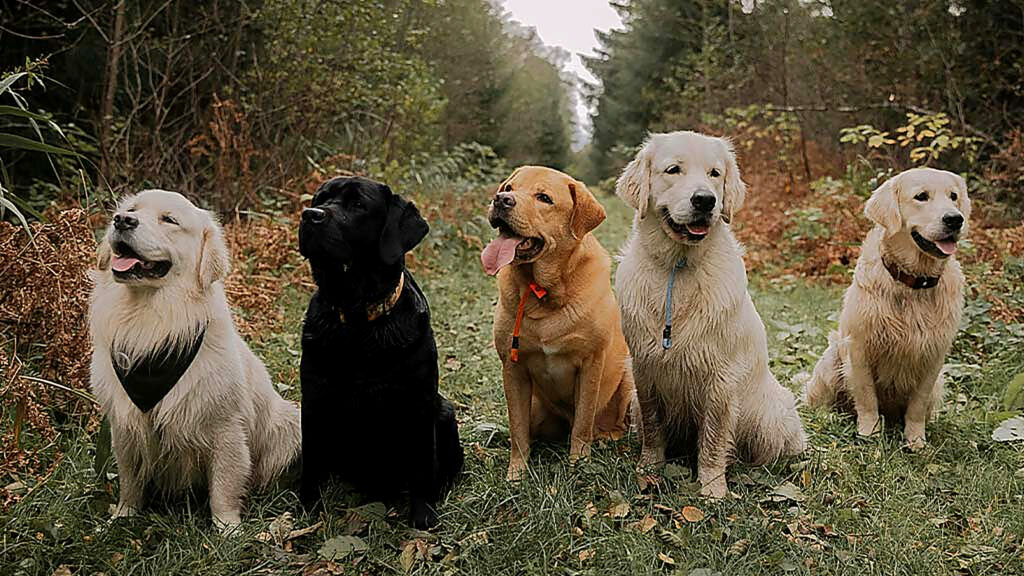

Excessive barking in dogs is when they bark too frequently or for prolonged periods beyond normal communication. It often stems from boredom, anxiety, attention-seeking, or environmental triggers like unfamiliar noises or strangers.
Though some breeds are naturally more vocal, persistent barking can indicate underlying behavioral or medical issues.
For example, dogs left alone for long hours, lacking mental and physical stimulation, may develop compulsive barking habits.
To address excessive barking, dog owners need to identify the cause, provide proper training, and ensure a stimulating environment. Ignoring the issue can lead to stress, neighbor complaints, and a weakened bond between dogs and their owners.
Common Causes of Excessive Barking in Dogs
- Boredom and Loneliness
Dogs are social and need mental stimulation and interaction. When left alone for long hours without activities, they may bark excessively to release pent-up energy or seek attention. This is common in high-energy breeds like Border Collies and Siberian Huskies.
- Territorial Behavior
Many dogs bark excessively to protect their territory. When they see strangers, other animals, or even passing cars, they may react with persistent barking. This behavior is more common in guard breeds like German Shepherds and Dobermans.
- Fear and Anxiety
Loud noises, unfamiliar environments, or past trauma can trigger excessive barking. Dogs with separation anxiety often bark excessively when their owners leave. Breeds like Chihuahuas and Bichon Frises are more prone to anxiety-related barking.
- Attention-Seeking Behavior
Some dogs learn that barking gets them what they want, whether it’s food, playtime, or affection. If owners respond to barking by giving attention, the behavior becomes permanent, leading to persistent vocalization.
- Medical Issues
Pain, cognitive dysfunction in senior dogs, or underlying health problems like hearing loss or neurological disorders can lead to excessive barking. If a dog suddenly starts barking more than usual, visit your vet for a check-up.
- Frustration and Excitement
Dogs may bark excessively when they are overly excited or frustrated, such as during playtime, when restrained on a leash, or when they cannot access something they desire. This is often seen in breeds like Labrador Retrievers and Beagles.
Expert Tips to Reduce Excessive Barking in Dogs
Besides health issues, excessive barking in dogs can lead to complaints from neighbors, creating tension in residential areas. It may also indicate behavioral concerns like anxiety or boredom, which, if ignored, can escalate into destructive behaviors.
To address excessive dog barking, we have collected 3 practical tips from experts.
- Desensitize to Triggers with Positive Reinforcement
- Teach Quiet Command with Praise
- Redirect Focus from Barking to Listening
Learn how to foster a calmer environment for both you and your canine companion through these actionable insights.
Teach Quiet Command with Praise

If you’ve ever tried to get a dog to stop barking, you know yelling “STOP” does absolutely nothing. In fact, they probably think you’re barking with them. Lesson learned.
Here’s what actually worked for me:
- Teach “Quiet” (Without Sounding Like a Chaotic Person)
At first, I made the mistake of shushing my dog like a panicked librarian. That didn’t work. What did?
I let them bark a couple of times (because dogs are allowed to have opinions). Then, I calmly said “Quiet”—not as a question, but like I actually meant it. The moment they stopped (even for a second), I hit them with praise: “Good quiet!” If they kept going, I just ignored the noise and waited. No reaction = no reward.
Why it worked:
Dogs don’t understand, “Shut up, I’m on a Zoom call.” But they do understand, “Barking = nothing. Quiet = praise.”
- Make Barking Boring
Most dogs bark because it gets them something—attention, control, or entertainment. So I flipped the script.
If my dog barked for attention? I turned away and ignored them completely. Barking at the doorbell? I acknowledged it, then acted like it was no big deal (“Yep, I heard it too, now go chill”). Barking from boredom? We added structured play and mental games to tire them out (a tired dog is a quiet dog).
Why it worked:
Dogs are opportunists. If barking stopped getting them what they wanted, they gave up.
- Give Them Something Better to Do
My dog used to go nuts when people came to the door. So instead of trying to stop the barking, I taught a new routine:
Doorbell rings = Go to your bed (instead of screaming at the universe). At first, I had to guide them there, but after a few reps, the habit stuck. Now, when the doorbell rings, they run to their bed instead of losing their mind.
Why it worked:
You can’t tell a dog to do nothing—you have to give them something else to do.
Dogs bark. It’s their way of talking. The trick isn’t to “stop” barking—it’s to teach them when it’s necessary and when it’s just noise pollution.
Jonathan Wells, Trainer, BetterDog
Redirect Focus from Barking to Listening

One effective method to stop excessive barking is the “Quiet Command with Positive Reinforcement.” This method focuses on teaching the dog that being quiet leads to rewards, making it more likely to stop barking on command.
How It Works:
- Identify the Trigger: Determine what’s causing the excessive barking—whether it’s strangers, noises, excitement, or boredom.
- Introduce a Verbal Cue: Use a clear command like “Quiet” in a calm, firm tone when the barking starts.
- Use Distraction & Reward: The moment the dog pauses, even for a second, reward them with a high-value treat and praise (e.g., “Good quiet!”).
- Increase Duration: Gradually extend the time your dog stays quiet before giving a treat, reinforcing the idea that silence earns rewards.
- Stay Consistent: Repeat this process daily, reinforcing calm behavior and ensuring all household members use the same command.
Why This Works:
- redirects focus from barking to listening.
- creates a positive association with being quiet.
- reduces frustration because the dog learns an alternative behavior.
- strengthens the bond between you and your pet through trust and communication.
For long-term success, combine this with proper exercise, mental stimulation, and ensuring your dog isn’t barking due to unmet needs like boredom or anxiety.
Shannon Griffin, Owner, Hound Therapy
Desensitize to Triggers with Positive Reinforcement

One effective method I used to stop my dog from barking excessively was creating a consistent routine and using desensitization techniques. My dog, Daisy, would bark nonstop whenever there was a knock at the door or any sudden noise outside. I realized she was barking out of habit and a bit of anxiety, so I decided to tackle both aspects.
I started by desensitizing her to the trigger—knocking sounds—by playing a recording of door knocks at a very low volume while rewarding her with treats for remaining quiet. Gradually, I increased the volume over time, always rewarding calm behavior. Alongside this, I reinforced a “quiet” command, where she learned that stopping the barking at my command would result in positive reinforcement, like treats or playtime.
This method worked because it combined gradual exposure with positive reinforcement, helping Daisy associate quiet behavior with rewards rather than focusing on punishing the barking. Over time, she became much less reactive to noises, and the excessive barking significantly decreased. The key to success was consistency and patience, and it ultimately created a calmer, more balanced environment for both of us.
Nikita Sherbina, Co-Founder & CEO, AIScreen
Final Words!
Excessive barking in dogs is often a sign of boredom, anxiety, or frustration. While some barking is natural, persistent vocalization can disrupt households, annoy neighbors, and indicate deeper behavioral or health concerns. Addressing the root cause through desensitization, training, and environmental enrichment helps create a calmer, happier dog. By using positive reinforcement, redirecting focus, and providing consistent training, pet owners can significantly reduce unwanted barking while strengthening their bond with their dogs.