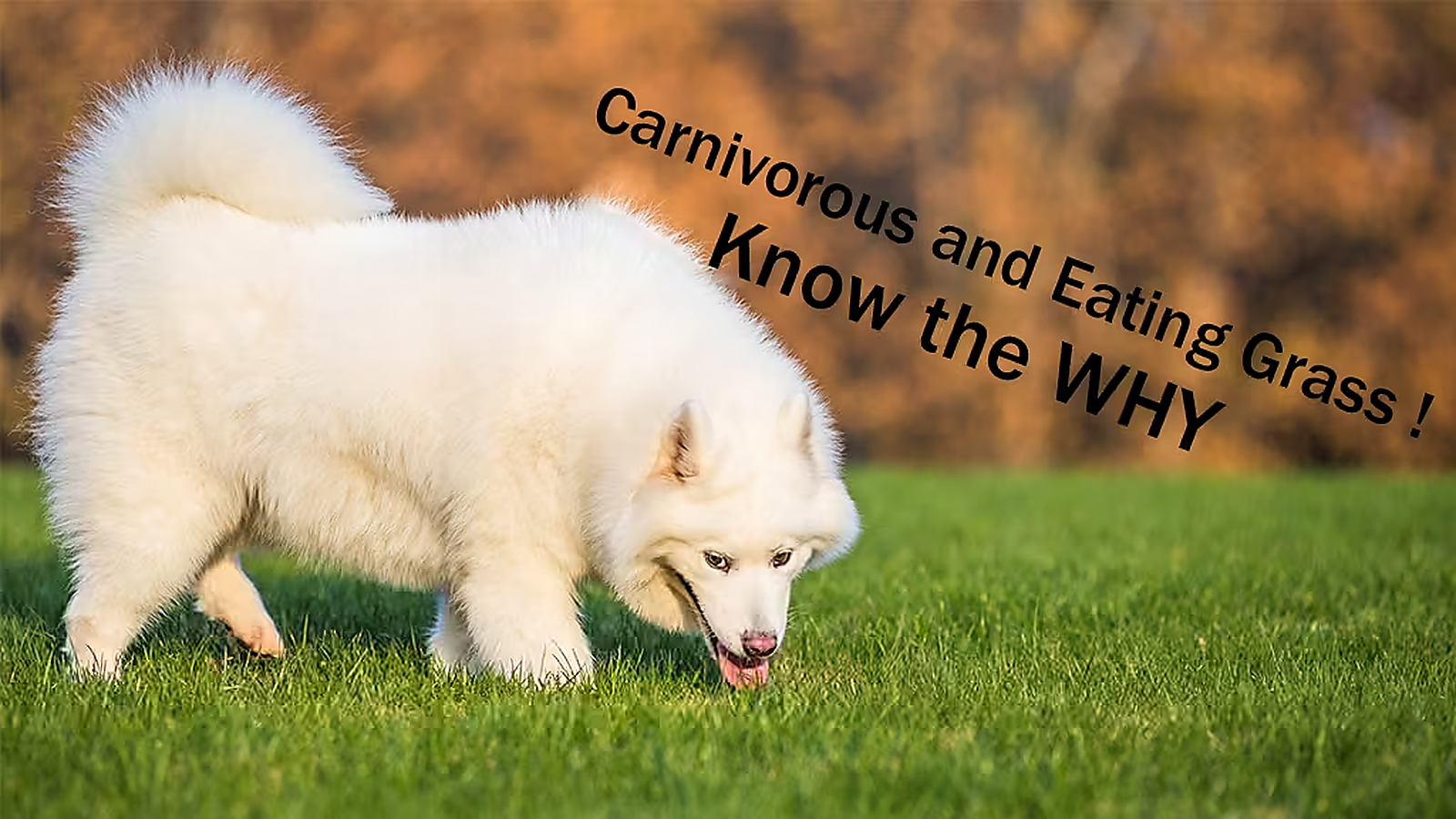
Every time your dog treats your lawn like a salad bar, you can’t help thinking about why dogs eat grass. What pushes a carnivorous species toward plants? And what triggers a shift from their ancestral drive?
This short explanatory article takes you straight to the real story.
Instead of recycled theories — you’ll learn fresh science, new research angles, and behavior insights that break down what’s happening in your dog’s brain and gut. In addition, as you move through this brief guide, you’ll see the instinct, nutrition, and emotion layers behind this daily habit and learn what separates normal grazing from a warning sign.
If you want answer about why dogs eat grass, supported by current studies, keep reading.
Reasons Why Dogs Eat Grass?
Many pet professionals still get puzzled about why dogs eat grass, and this is because the behavior is far more layered than most people think.
When you watch a dog chew fresh blades during a morning walk, it may seem random, but researchers studying canine nutrition and behavior see consistent patterns. They trace back this action to a dog’s ancestors, dietary needs, sensory curiosity, and emotional shifts.
For example, many modern studies on wild canids show plant matter regularly appears in their gut. And modern dogs still carry those patterns, so grass chewing can be a normal biological echo of their evolutionary blueprint.
This links to another science-backed reason: fiber. Nutrition-focused vets suggest dogs eat grass to satisfy their digestive system’s need for roughage. When diets fall short on fiber, dogs may naturally choose plant material that supports smoother digestion. Some clinical observations even show dogs reducing grass intake once their fiber intake rises.
While many people believe dogs eat grass only to vomit, research shows this isn’t the main reason. Most dogs eat it without showing nausea first, and most don’t vomit afterward. Some do use grass when they feel stomach discomfort because the texture can trigger quicker gut movement, but this applies to a smaller portion of dogs. Because of this, the vomiting theory doesn’t hold up as a universal explanation.
Environmental, Behavioral, and Emotional Factors
Another angle involves behavior and emotions.
Dogs often use repetitive actions to manage internal tension. If a dog feels restless, under-stimulated, or needs a quick outlet, nibbling grass becomes an easy fallback.
Some dogs even repeat the behavior because their humans react strongly, turning it into a reinforced pattern.
Sensory appeal adds another layer. Fresh, cool grass can feel interesting to chew, especially in younger dogs exploring textures, scents, and tastes.
When to Visit Vet?
While grass eating is generally normal, the environment matters. Chemically treated lawns, parasite-contaminated soil, or sharp grass varieties can pose risks. So, the behavior itself isn’t a red flag, but the context deserves attention. If a dog suddenly increases grass consumption, eats obsessively, or vomits repeatedly, vets advise checking for gastrointestinal irritation, parasites, or diet gaps.
Final Thoughts!
Why dogs eat grass sits at the intersection of instinct, nutrition, environment, and emotion. It’s not just a single behavior with a single explanation. It’s a pattern shaped by history and daily life, and most dogs practice it without any underlying medical concern.
Staying observant, keeping the environment safe, and watching for sudden changes is what truly matters.