Do cats get jealous of other pets | Why Do Cats Get Jealous of Other Pets |
How Jealousy Shows in Cats | How to Help a Jealous Cat |
When to Get Professional Help
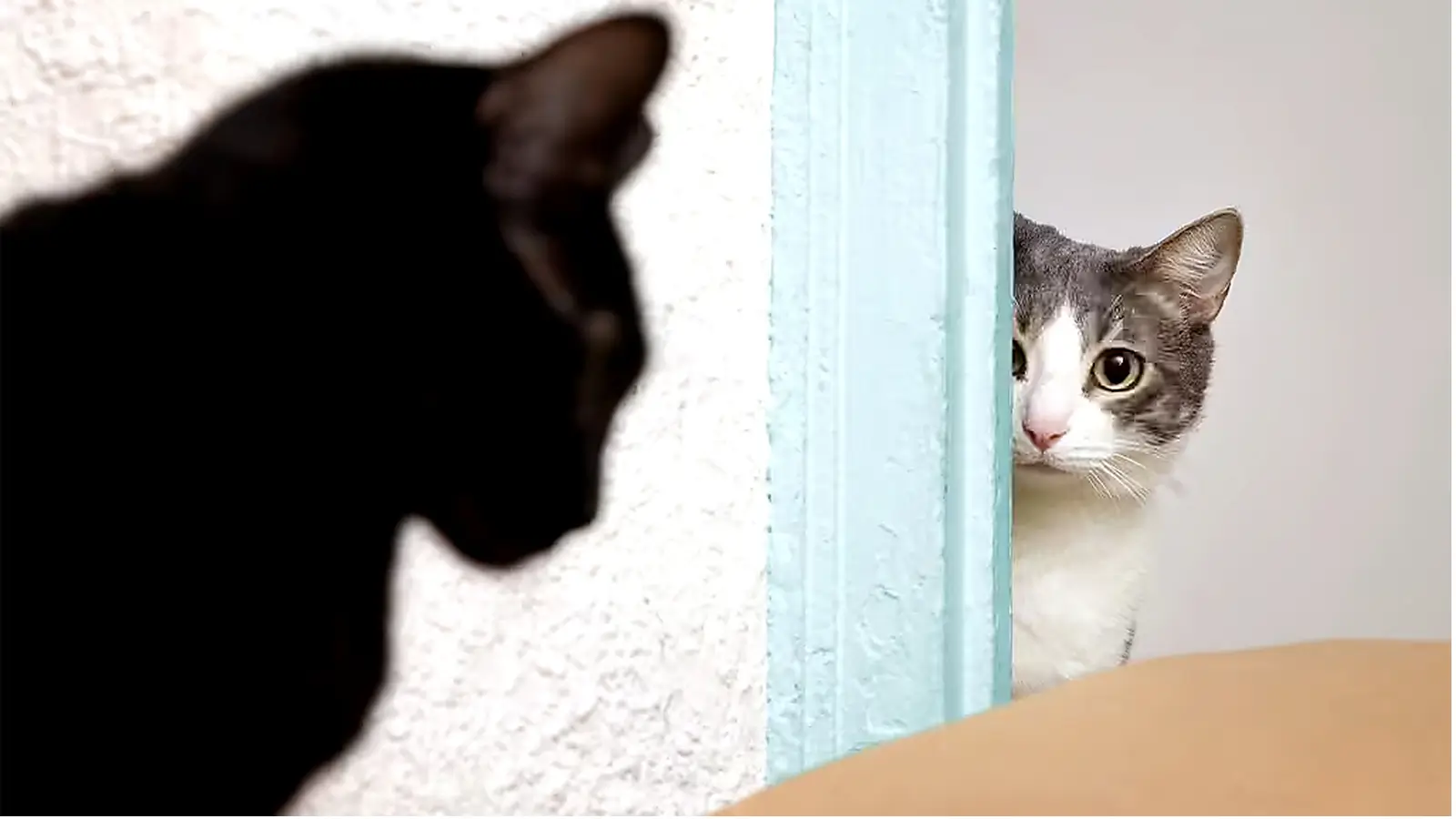
Do cats get jealous of other pets? The answer to this question is: Yes, but not in the way humans do. Cats don’t feel jealousy with conscious malice. What they feel is territorial anxiety and resource insecurity when they see another animal receiving your time, affection, or access to favorite spots. These emotions can drive them to behave in ways that mimic jealousy — like swatting, hissing, or spraying. But it’s not just about emotions — it’s about the survival instincts of cats since their early evolution as solitary hunters.
Why Do Cats Get Jealous of Other Pets
There are many reasons why cats get jealous of other pets.
For example, when a new dog, cat, or small pet enters your home, your cat may feel like their territory is shrinking. In feline logic, less territory or fewer interactions with you means less access to food, warmth, and safety. That’s why jealousy in cats often shows up after a change in social hierarchy or routines. According to a study in the Animals journal, cats form secure attachments to their humans, and disruptions in these bonds can trigger stress behaviors.
In addition, some cats become clingy. Others retreat. Many act out. This is particularly common in single-cat homes where the pet has been the sole attention receiver for years. The sudden attention shift feels like betrayal. That’s why understanding the root cause — environmental change, threat to resources, or lack of stimulation — is necessary.
How Jealousy Shows in Cats
Unlike dogs, cats don’t perform to please. When they’re distressed, they mark, vocalize, or assert control. Jealous behaviors may include:
- Hissing, swatting, or blocking the path of the new pet
- Interrupting you during cuddle time with the other pet
- Spraying or urinating outside the litter box to mark their space
- Suddenly biting or acting aloof when you touch the other animal
- Over-grooming or pulling fur out (stress-induced behavior)
- Aggression at feeding time if food resources are shared
Remember, this doesn’t mean cats aren’t being mean — they’re trying to reclaim control in a setting that now feels unpredictable.
How to Help a Jealous Cat Adjust
Managing feline jealousy starts with structure because cats feel safe with predictability. You have to help your (jealous) cat adjust. Consider the following points to make your cat feel that you love him as usual:
- If you’re bringing home a new pet, don’t skip gradual introductions. Use scent swapping, visual barriers, and supervised meetings to reduce threat levels. Never force them to bond. Your cat needs time.
- Maintain your routine. If your cat is used to morning cuddles or evening play, keep that consistent. Cats read these cues as signs that their world is safe.
- Also, feed pets separately, especially during the first weeks. Shared bowls or litter boxes increase competition, even in bonded pets.
- Create vertical space — cat trees, shelves, or elevated perches — so your cat can observe from a safe zone. This gives them a feeling of control and territorial advantage.
- And finally, offer mental stimulation. Use puzzle feeders, hunting games, or window perches to distract their attention and reduce obsessive tracking of the new pet.
When to Get Professional Help
If your cat escalates to full-blown aggression or shows signs of chronic stress — like weight loss, hiding, or constant spraying — it’s time to consult your vet. Anxiety medication or behavior therapy may be needed in more severe cases.
Also, ensure your cat’s health isn’t worsening the behavior. Sometimes, underlying pain (arthritis, UTIs) makes cats less tolerant of changes or competition.
Final Words
Do you feel as if your cats get jealous of other pets in your home? Don’t take it negatively because your cat isn’t plotting revenge against your dog or kitten. What looks like jealousy to you is an emotional response to change, competition, and insecurity.
Remember, with patience, structure, and reassurance, most cats adjust just fine. The key lies in acknowledging their emotional world and supporting them through the shift.